AI meets tradition – family businesses on the rise
- 02.12.2025
- Event Review

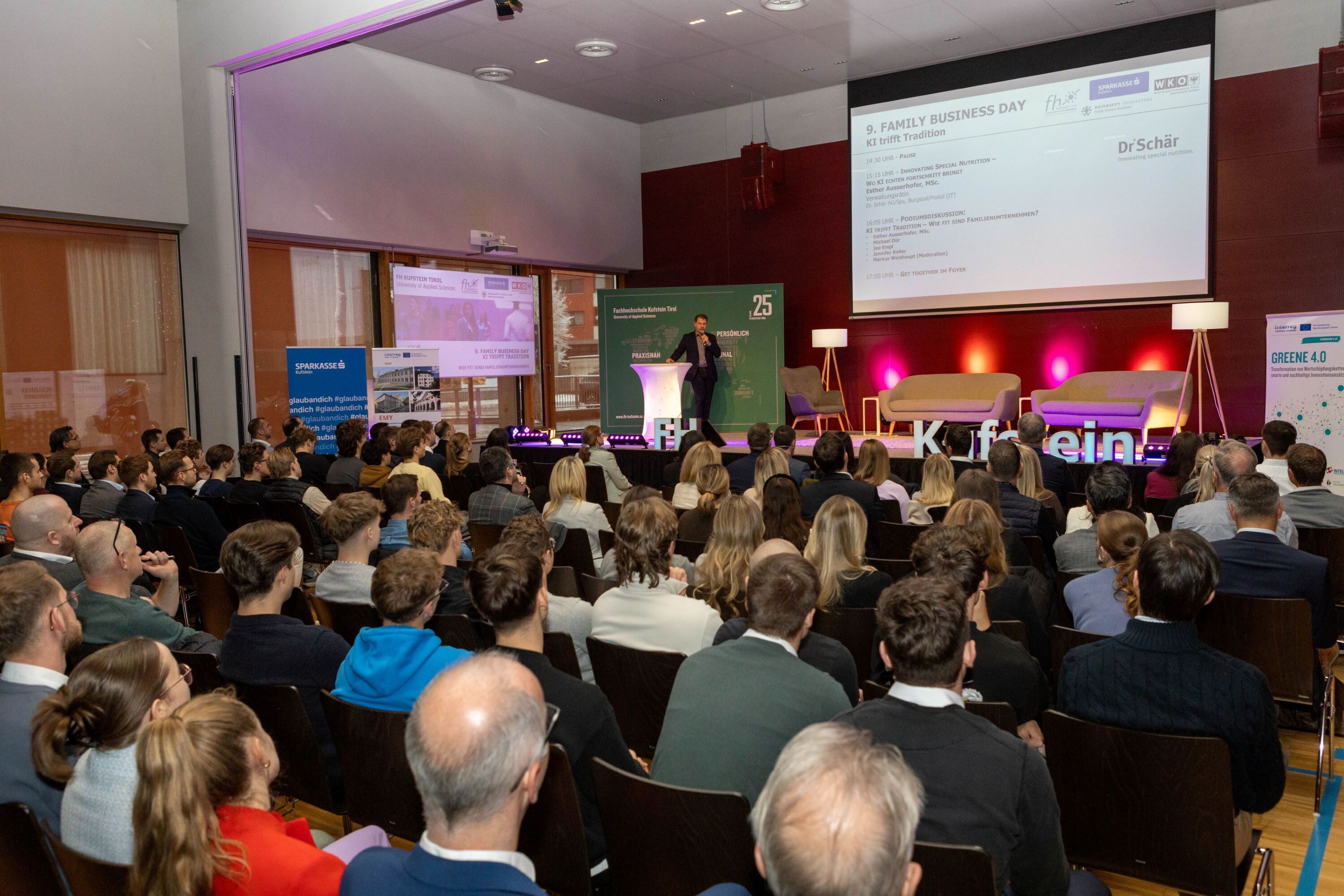
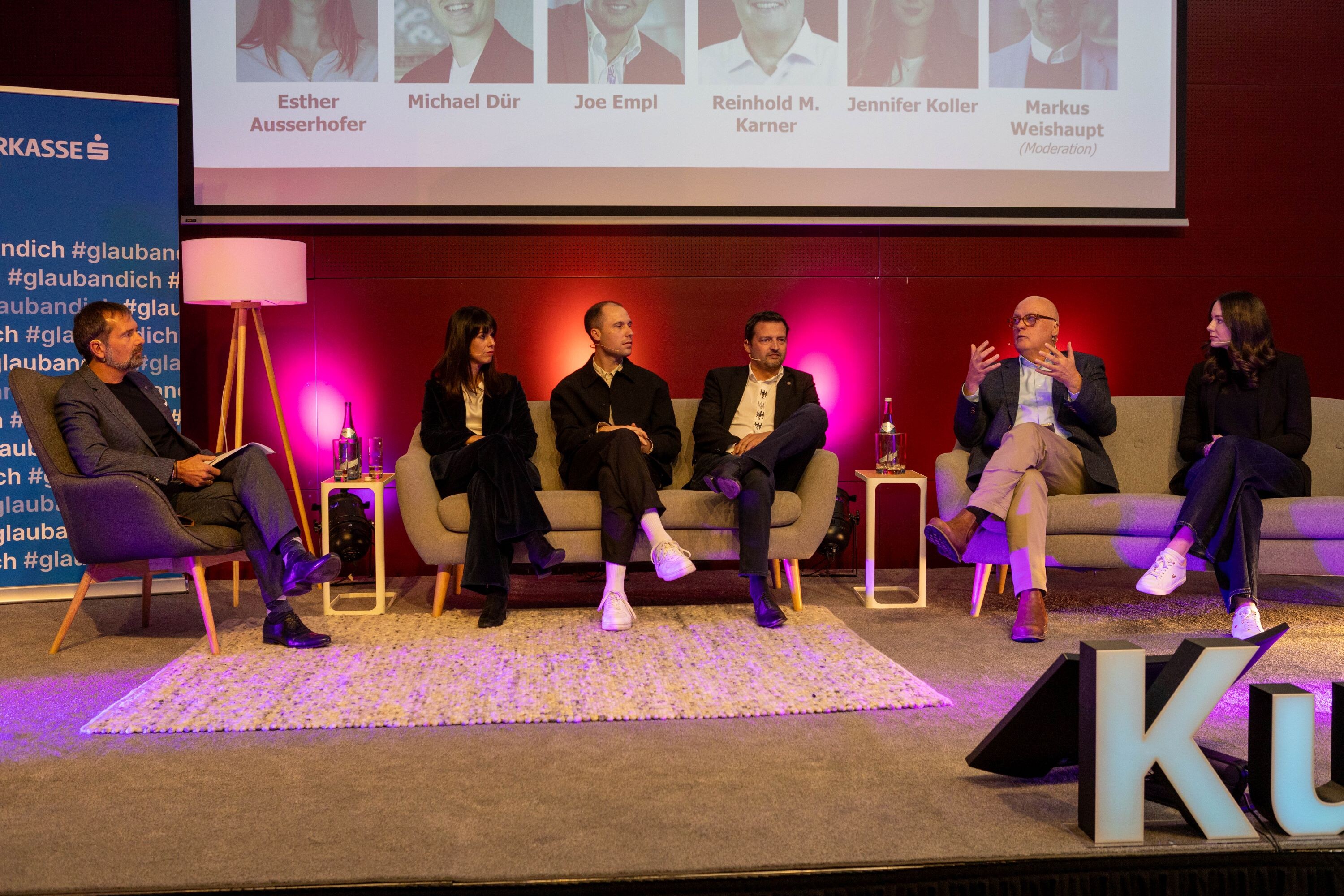
High-level discussion: The packed podium at the 9th Family Business Day at the University of Applied Sciences Kufstein Tirol.
At the 9th Family Business Day at the University of Applied Sciences Kufstein Tirol, experts, entrepreneurs, and students came together to discuss the opportunities and challenges of AI in family businesses - with a great deal of depth, practical relevance, and strong impetus for the next generation.
On 21st November, the ballroom at FH Kufstein Tirol was transformed into a meeting place for leading figures from the worlds of business and science: the 9th Family Business Day was held under the motto AI meets tradition – how fit are family businesses?, focusing on a topic that is currently of interest to every company.
A WARM WELCOME – AND A CLEAR MISSION
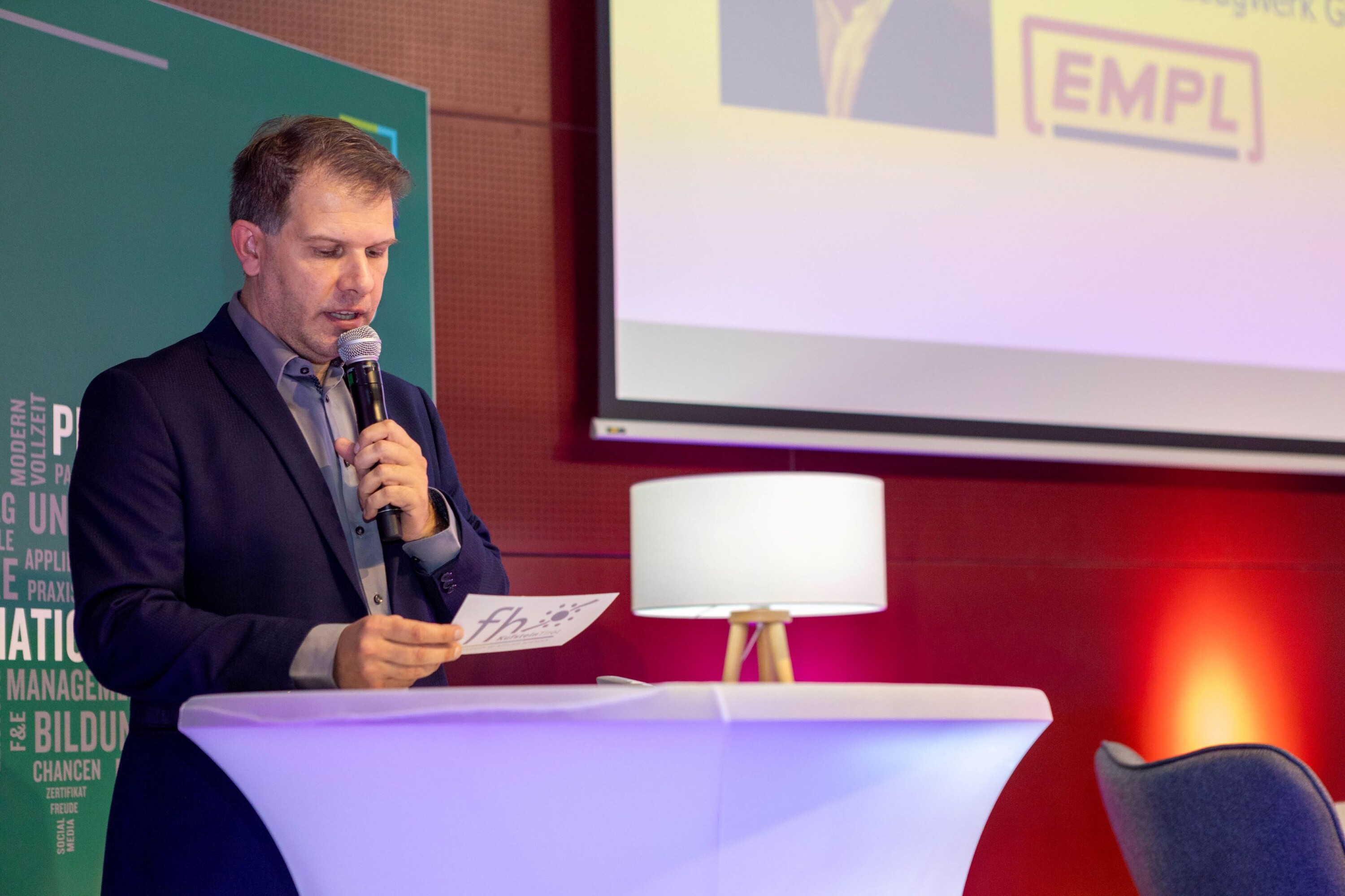
The event was opened by Prof. (FH) Dr. Claudia Van der Vorst, MBA, Vice Rector of the University of Applied Sciences Kufstein Tirol. She emphasized the special role of family businesses as the backbone of the regional and international economy and the importance of actively addressing future topics such as AI.
Prof. (FH) DDr. Mario Situm, MBA then gave a concise overview of the program and the central theme of the day: How can family businesses harness the potential of AI without losing their values and traditions? His message was clear: AI is not an end in itself - but it is becoming a strategic success factor.
NEW ROOTS – NEW OPPORTUNITIES
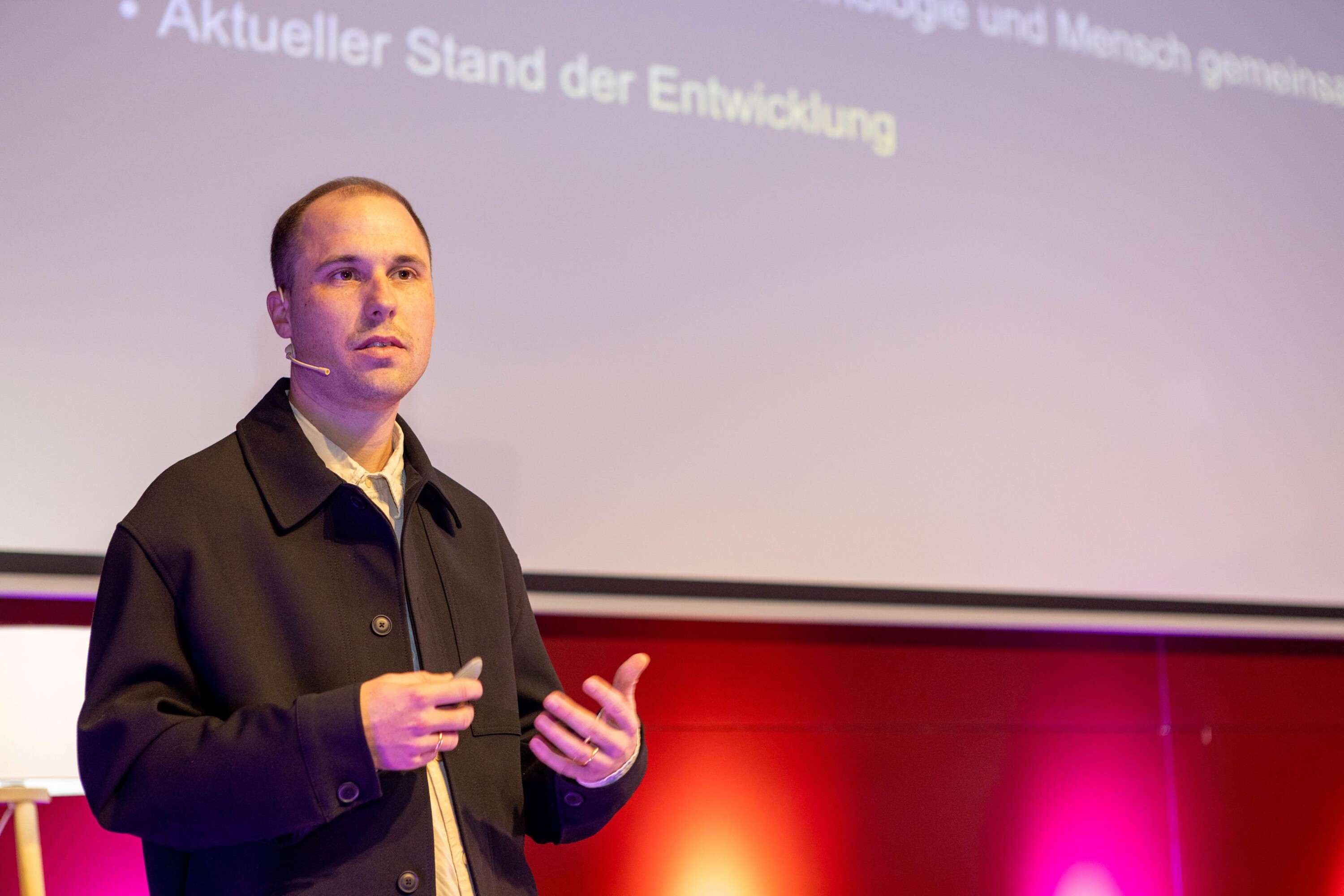
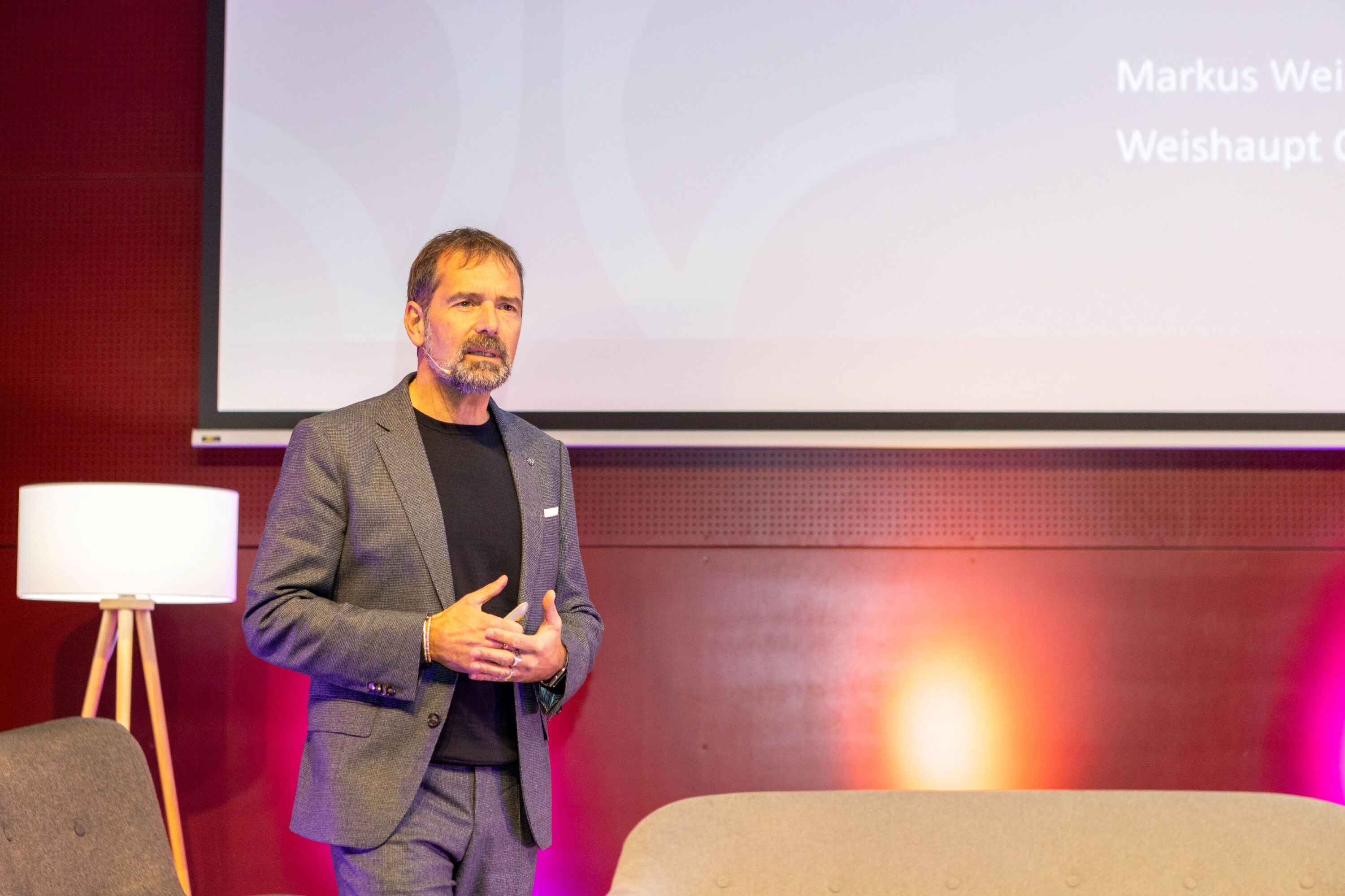
The first specialist presentation was given by Prof. (FH) Dott. Markus Weishaupt, who asked whether family businesses are currently in danger of falling behind. His analysis: despite its high relevance, AI is still seen as purely a topic for the future in many companies. What is needed, he said, are “new roots” – a radical but well-founded path of transformation to ensure long-term sustainability.

Prof. (FH) Dott. Markus Weishaupt examined whether family businesses are currently facing the challenge of keeping pace with developments.
Weishaupt covered everything from digitalization and Industry 4.0 to generative AI, which has been making a big splash since 2023. He thinks 2025 will be a turning point: “Interest will turn into action,” especially because tech developments and generational change are happening at the same time. For young successors, this means “a once-in-a-lifetime chance to make their mark on their company.”
FROM EXPERIENCE – AI AS A PARTNER, NOT A THREAT
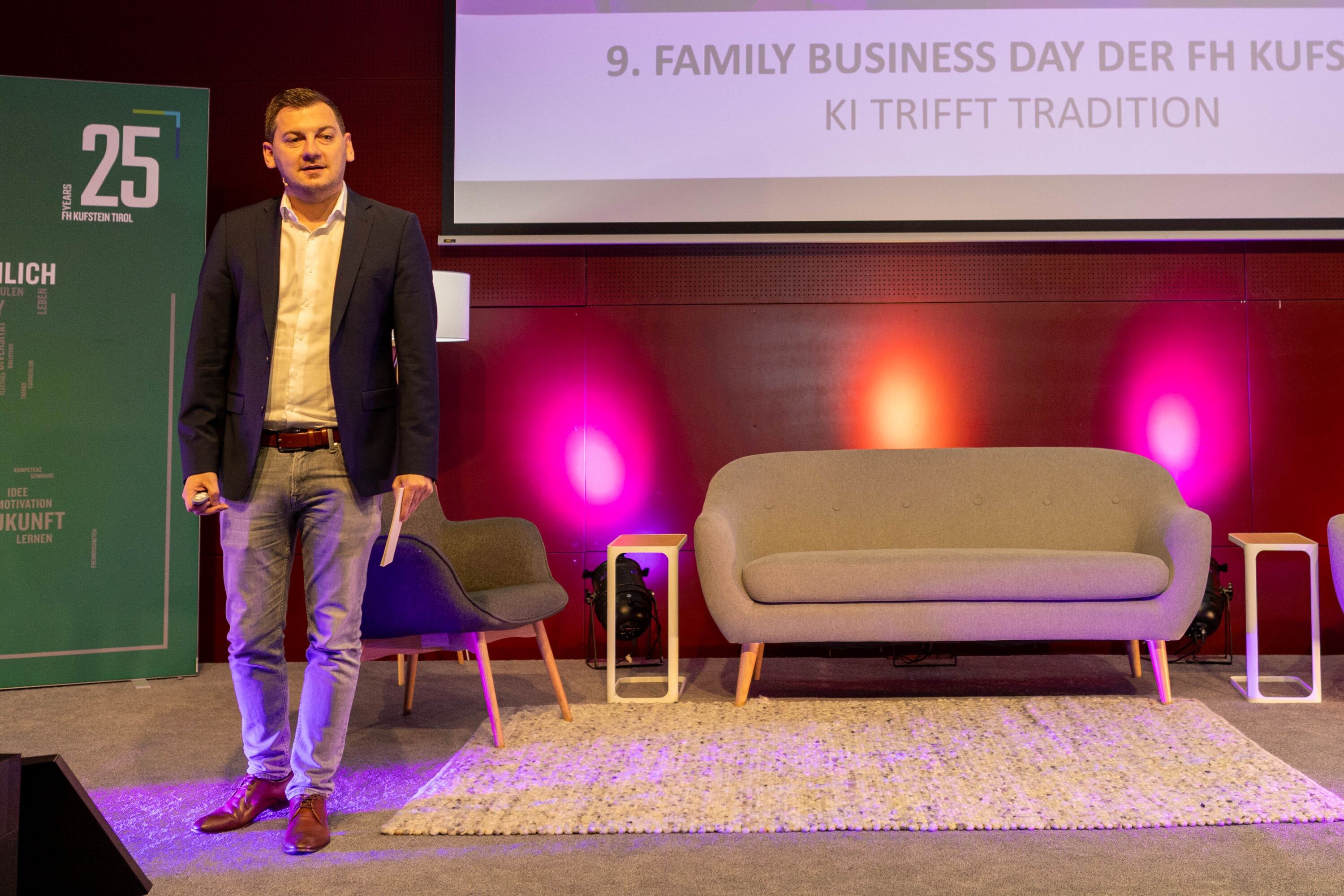
Thomas Baumann, MA, managing director of Empl Fahrzeugwerk GmbH, then showed how AI can become a strategic partner for a family business. This does not mean abandoning traditions, but rather the intelligent, responsible use of new technologies.
Michael Dür, Managing Director of CARINI GmbH, took the audience on a journey through the history of a company that stands between decades of progress and an impending upheaval. The most difficult part is often not the technology, but getting people excited about new approaches.
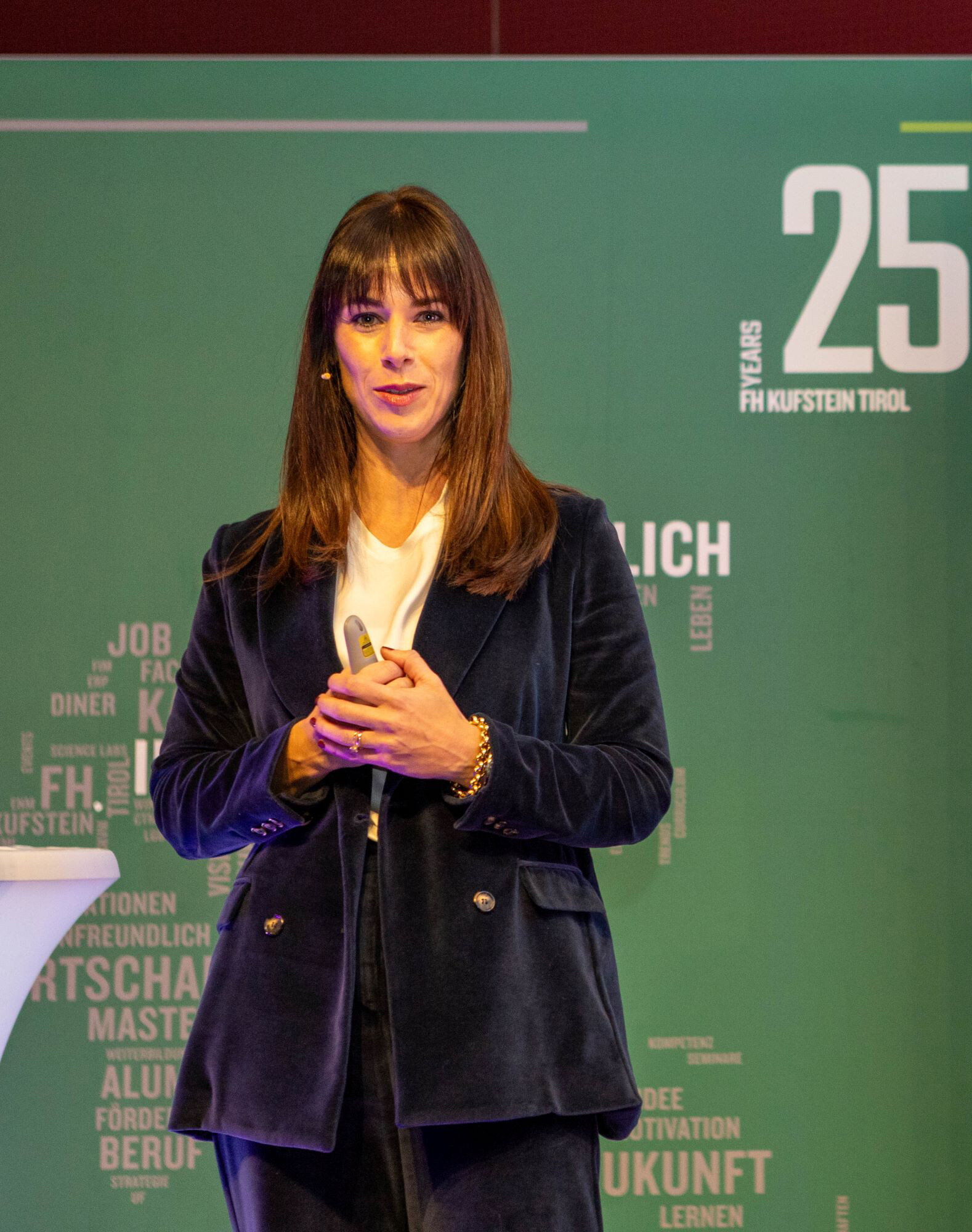
Esther Ausserhofer, MSc., member of the board of directors at the family-owned company Dr. Schär, concluded by providing insights into the food industry. AI enables completely new analysis and development processes and can even provide clues as to “what consumers would like to have for breakfast tomorrow.” At the same time, continuous skills development within the team is essential – this is the only way to ensure that change works in everyday life.
PODIUM DISCUSSION: AI BETWEEN OPPORTUNITIES AND RESPONSIBILITY
One of the highlights of the afternoon was the panel discussion moderated by Prof. (FH) Dott. Markus Weishaupt. In addition to the speakers, three other personalities enriched the discussion:
- Reinhold M. Karner, best-selling author, entrepreneur, and long-time mentor
- Joe Empl, Vice President and Managing Director of Empl Fahrzeugwerk GmbH
- Jennifer Koller, MA, BA, Innovation Manager in the district of Kitzbühel and part of the management team at START.N Kitzbühel
Karner attracted attention with his well-founded assessments - for example, when he explained why AI is not “intelligent” in the human sense despite impressive amounts of data: “AI is trained with a whole sea of information - everything that exists. That's why knowledge is no longer power today. The real leverage lies in the use of this information.”
Joe Empl drew attention to the reality facing many industrial companies in Austria: efficiency remains a must, as does international competition. AI can help to mitigate the shortage of skilled workers, but only where processes can be sensibly automated. At the same time, new tasks are emerging: “The nature of work is changing, that much is clear. But many jobs will remain because they cannot be replaced.”
The nature of work is changing, that much is clear. But many jobs will remain because they cannot be replaced.
Joe Empl
Vice President and Managing Director of Empl Fahrzeugwerk GmbH
Jennifer Koller, on the other hand, emphasized the role of AI as a creative sparring partner. Creativity always arises from interaction, whether with people or intelligent tools. AI can provide impulses that can be further developed: “In the end, it's always my decision as an entrepreneur what I do with it.”
A series of critical and lively contributions from the audience showed that these issues are also of concern to the public. The topics ranged from fears of job losses and pressure to innovate to the question of whether AI can even be creative.
CONCLUSION: SHAPING THE FUTURE MEANS SHOWING COURAGE
The 9th Family Business Day made it clear that combining AI and tradition is not a contradiction - it is an enormous opportunity. Family businesses offer values, stability, and long-term thinking. AI complements these strengths with speed, data expertise, and new perspectives.
For this connection to succeed, openness, a willingness to learn, and the courage to put down new roots are required. The many concrete insights, discussions, and questions from the audience showed that change has begun - and family businesses are ideally positioned to actively shape it.
Links:
- Events | Website
- Event Series | Website

Sponsors


Partners


